
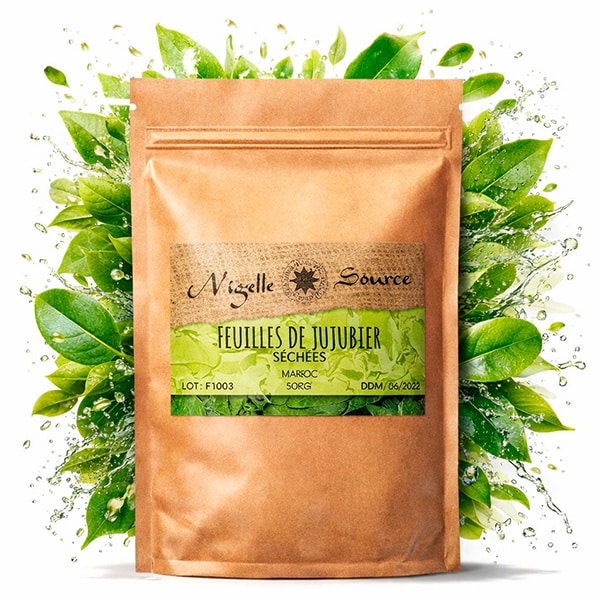

The jujube leaves, also known as sidr, They come from the jujube tree, which is valued in many different traditions. Long used in natural routines, they also occupy a special place in the world of cosmetics. prophetic medicine.
Sidr leaves appeal to natural skincare enthusiasts for their versatility. They can be incorporated into a hair care routine, into certain traditional preparations or into simple everyday care routines.
What is sidr?
Sidr is made from the leaves of the jujube tree, which grows in many parts of the world, particularly Asia and Africa. Once dried, the jujube leaves can be used in a variety of ways depending on habits, preferences and traditions.
Appreciated for their place in natural rituals, they are often chosen by people who are looking for a traditional plant to incorporate into their beauty routine or wellness world.
Why are jujube leaves so popular?
The dried sidr leaves are particularly appreciated for their cosmetic and traditional uses. They easily find their place in simple routines, inspired by natural and authentic gestures.
- Suitable for natural hair routines
- Can be used in a variety of homemade preparations
- Part of a beauty routine inspired by Eastern traditions
- Appreciated for hair care and maintenance
- Used for certain traditional and cultural purposes
How can dried jujube leaves be used?
Use on hair
Jujube leaves can be used in a natural hair routine. They are often incorporated into preparations based on water, plant powders or plant oils, depending on individual habits.
Sidr is a popular hair care product to complement a simple, natural routine. It can be used in the form of a preparation to be applied to the hair, then rinsed out after an application time suited to your preferences.
Use in a body routine
Sidr leaves can also be incorporated into certain preparations for external cosmetic use. They are chosen by people who want to give priority to plant-based ingredients in their skincare routine.
As with any cosmetic product or plant-based preparation, it is advisable to carry out a skin test before using for the first time. If you experience any discomfort or reaction, it is preferable not to continue using the product.
Jujube leaves in Islamic tradition
Le sidr has a well-known place in Islamic tradition and is mentioned in religious sources. This is one of the reasons why it is still appreciated in certain cultural and traditional uses.
Jujube leaves are mentioned in certain contexts linked to traditional practices. They may also be sought after by people interested in products from the world of prophetic medicine.
In certain practices, sidr is traditionally used in water-based preparations. These uses are based on cultural and religious habits handed down over time.
Advice on use and precautions
- Use preferably on clean skin or as part of a fresh preparation.
- Do a skin test before using for the first time
- Reserve use according to personal habits and the needs of your routine
- Store the product in a dry, clean and dry place.
- When in doubt, opt for simple, gradual use
Complete your selection of traditional plants
If you like traditional natural products, we invite you to discover our prophetic medicine collection, which brings together a number of popular references in this field.
You can also complete your selection with our senna leaves, another traditional plant available in our well-being boutique.
FAQ - Jujube leaves
What is sidr?
Sidr is the name given to the leaves of the jujube tree. It is a plant traditionally used in various contexts, notably in natural routines and certain cultural uses.
How can jujube leaves be used on the hair?
Jujube leaves can be added to a homemade hair preparation, alone or in combination with other plant ingredients, depending on your habits and preferences.
Do jujube leaves have a place in Islamic tradition?
Yes, the sidr is well known in the Islamic tradition and is still appreciated by people who are interested in products related to this world.
What products should I use jujube leaves with?
You can combine them with other products from our prophetic medicine collection or discover our senna leaves.


 English
  French
  German
  Spanish
  Dutch
Dutch  Portuguese
  Italian