
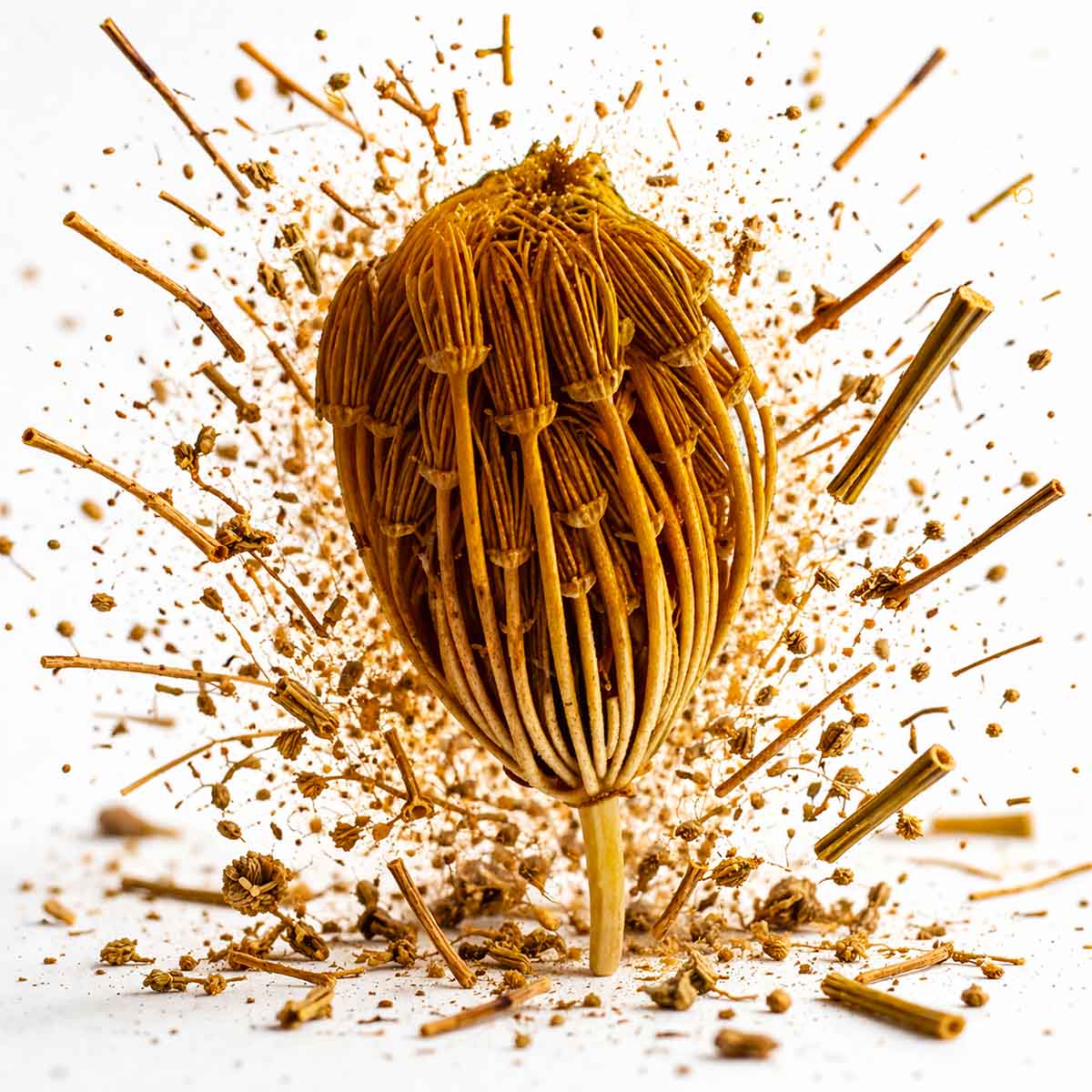
Looking for a product that's authentic, easy to use and steeped in history? Visit Khellaalso known as Ammi Visnaga or natural toothpick tree, is one of those traditional products that we love to use in a routine inspired by everyday plants. Selected from a world faithful to Moroccan know-how, this product is seductive for its natural appearance and practical use.
Often sought after for its authenticity Khella from Morocco is popular with fans of natural products who want to incorporate a traditional object into their daily routine. If you want to make a buy online from Khella, You'll discover a product that is simple, elegant and true to its origins, known in botany as the’Ammi Visnaga.
Why choose Khella, the natural toothpick tree?
Khella stands out for its authenticity, Moroccan origin and ease of use. It's a product that will appeal to anyone looking for an object inspired by tradition, that can be easily incorporated into their daily routine or given as an original gift.
- Natural product based on traditional know-how
- Moroccan origin highlighted for its authenticity
- Recognised botanical name : Ammi Visnaga
- Easy to use on a daily basis
- Practical format and easy to transport
- Ideal for amateurs traditional references
A traditional product appreciated for its authenticity
Le Khella, or natural toothpick tree, is a speciality in the world of traditional Moroccan products. Known botanically as Ammi Visnaga, It's sought-after for its authenticity, and is one of those objects that we like to incorporate into a more natural everyday life, inspired by simple gestures.
When we talk about benefits of Khella, But above all, it's its practicality, its valued origin and its traditional use that make it such a popular product. It is aimed at people who like cultural references, authentic products and selections that are a little out of the ordinary.
How do you use Khella on a daily basis?
Khella is simple and intuitive to use. Its natural shape makes it easy to hold, making it a practical product to incorporate into your routine. It can be used according to your habits, at your own pace, while respecting the traditional character of the product.
- Use with care
- Store in a dry place between uses
- Keep in a clean, dry place
- To suit your personal preferences
Simple online shopping for an authentic product
L'buy Khella online allows you to discover this traditional Moroccan product at your leisure. Whether you're looking for Khella under its current name or the’Ammi Visnaga under its botanical name, this is a simple reference to incorporate into your everyday life.
Its ease of use and compact size make it an easy reference to adopt, whether for yourself or as a gift for someone who loves authentic products.
Storage tips
To preserve the quality of Khella, store it in a dry, clean place away from humidity. Proper storage means you can enjoy the product in the best possible conditions and prolong its shelf life.
Complete your selection with another traditional product
If you like products inspired by tradition and natural daily routines, you can also discover our toothpaste powder collection, This selection is ideal for complementing your routine with other authentic products inspired by traditional know-how.
FAQ - Khella (Ammi Visnaga), a natural toothpick tree from Morocco
What is Khella?
Khella is a traditional Moroccan product, sometimes called a natural toothpick tree. It is also known by its botanical name Ammi Visnaga.
Why are we also talking about Ammi Visnaga?
Ammi Visnaga is the botanical name for Khella. It is used to help identify the original plant and its botanical parentage.
Why choose a Khella from Morocco?
Khella from Morocco is sought after for its authenticity, its link with tradition and its natural appearance, ideal for lovers of original products.
How can I buy Khella online?
Buying online allows you to choose a Khella easily, in a practical format, without having to go anywhere.
Who is this product for?
Khella is for people who love traditional, natural products inspired by Moroccan know-how.
 English
  French
  German
  Spanish
  Dutch
Dutch  Portuguese
  Italian